

Understanding Laminate Floor Performance
Flooring 101 provides the technical specifications needed to choose the right laminate for your household. We offer durable products from established manufacturers to ensure long-term stability and wear resistance.
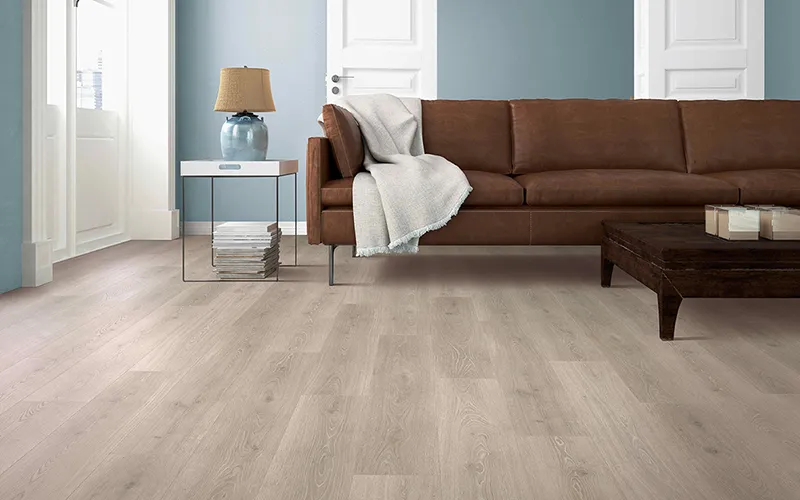
Laminate Visuals and Textures
Modern laminate flooring provides a high-density surface designed to withstand the weight of furniture and the frequent activity of busy households.
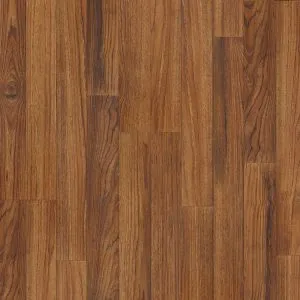
WOOD STYLE
Replicates the grain and species characteristics of natural hardwood while maintaining a consistent wear layer.
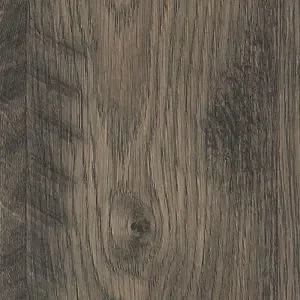
TEXTURE STYLE
Features tactile surfaces that provide additional slip resistance and feel similar to natural materials.

SMOOTH STYLE
Offers a sleek, flat finish that simplifies daily cleaning and debris removal.
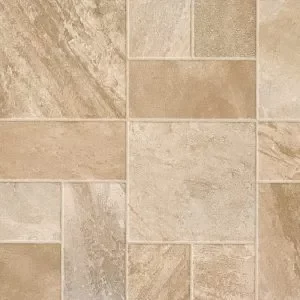
TILE STYLE
Mimics the appearance of stone or ceramic tile with an impact-resistant, high-density core.
Performance Benefits of Modern Laminate
Laminate floors offer the same high-end looks of hardwood, ceramic tile, and natural stone but at a fraction of the cost. High-definition 3D printing techniques capture all the texture, depth, and convincing colors and patterns found in nature. You’ll appreciate how much budget-friendly laminate floors contribute to the decorative appeal of a room. these strikingly realistic floors deliver exceptional durability and are easy to clean, making them a practical choice for active households with kids and pets.
Laminate floors can be installed just about anywhere in the home, including the basement and bathroom. They’re ideal for rooms that get a lot of foot traffic, such as the kitchen, family room, and foyer.
How Laminate Floors Are Built
Most laminate flooring consists of four layers: (1) durable top wear layer with exceptional stain resistance, (2) photographic print showcasing the floor’s unique design, (3) high-density core providing dimensional stability and enhanced moisture resistance, and (4) backing layer offering additional stability while guarding against moisture from the subfloor. All layers are fused under high pressure to form a strong board that resists scratches, stains, warping, and buckling.
When you’re ready to buy laminate flooring in Ventura and Santa Barbara County, visit one of our showrooms, and we’ll help you find the best laminate floor for your budget, lifestyle, and home.
Professional Installation Guidelines
Installing laminate flooring in Simi Valley, CA, requires careful consideration of several factors, including the local climate, proper preparation, and adherence to manufacturer guidelines. Here are the most important considerations:
California Climate
Since Simi Valley experiences a range of temperatures and can have periods of humidity, it is crucial to use a high-quality moisture barrier or underlayment with a built-in moisture barrier, especially if installing laminate flooring over a concrete subfloor or in areas prone to moisture. In addition to preventing moisture from seeping up and damaging the laminate, some underlayments also offer antimicrobial properties to prevent mold and mildew.
Acclimation
Make sure that your new laminate flooring is acclimated to the room's temperature and humidity levels where it will be installed to prevent expansion and contraction issues. A general rule is to allow the sealed laminate flooring packs to sit flat in the installation room for at least 48 to 96 hours, while maintaining a consistent indoor temperature and humidity level.
Subfloor Prep
Address any existing damage, irregularities, and unevenness to prevent gaps, creaking, or damage to the laminate over time. If your old flooring must be removed, proper disposal should be planned. A clean, dry, and level subfloor is the goal!
Underlayment
In addition to moisture protection, the underlayment provides cushioning, absorbs sound, and helps keep a floating laminate floor in place.Choose an underlayment that is appropriate for your specific laminate and subfloor type.
Expansion Gaps
Leave a small expansion gap (typically 1/4 to 3/8 inch) around the perimeter of the room to allow for natural expansion and contraction of the floor due to temperature and humidity changes. These gaps are then covered by baseboards or trim.
Professional vs. DIY Installation
While laminate can be a DIY-friendly option, professional installation ensures proper subfloor preparation, correct acclimation, and adherence to manufacturer guidelines, which can prevent future issues and ensure the warranty remains valid. By addressing these considerations, you can ensure a successful and long-lasting laminate floor installation in your Simi Valley home.
When DIY Laminate Installation Might Be a Good Option:
- You're handy and have experience with home improvement projects.
- You have a relatively simple, rectangular room with a sound, level subfloor.
- You have plenty of time and patience.
- You're comfortable with measuring and cutting accurately.
- You're willing to invest in or rent the necessary tools.
- You've watched tutorials and feel confident in understanding the process.
When Hiring Professional Laminate Installation is Recommended:
- You lack experience with flooring installation or significant DIY projects.
- The subfloor is uneven, damaged, or requires extensive preparation.
- The area has complex layouts, many doorways, or stairs.
- You're short on time or prefer to avoid the physical labor and stress.
- You want a flawless, guaranteed finish.
- You want to ensure your flooring warranty remains valid.
- The cost of potential mistakes outweighs the savings of DIY.