


Is Exotic Hardwood a Good Fit in the CA Climate?
Exotic hardwood species, such as the deep, rich reds of Brazilian Cherry (Jatoba), the dramatic striping of Tigerwood (Muiracatiara), or the near-black elegance of Wenge, possess an undeniable visual appeal that can instantly elevate a home’s luxury. These woods offer colors and grain patterns unavailable in domestic species like oak or maple, making them highly desirable for homeowners across Ventura County. However, beauty comes with a unique challenge: these species often exhibit a heightened sensitivity to moisture and temperature changes. The diverse humidity levels found between coastal Oxnard and the drier, hotter inland areas, like Simi Valley or Thousand Oaks, can stress these woods, potentially leading to instability issues.
At Flooring 101 we feature the largest inventory of quality exotic hardwoods. Our expert advice is to always check a wood’s stability rating and understand that engineered exotic hardwoods are often the safer, more durable choice for the diverse California climate.
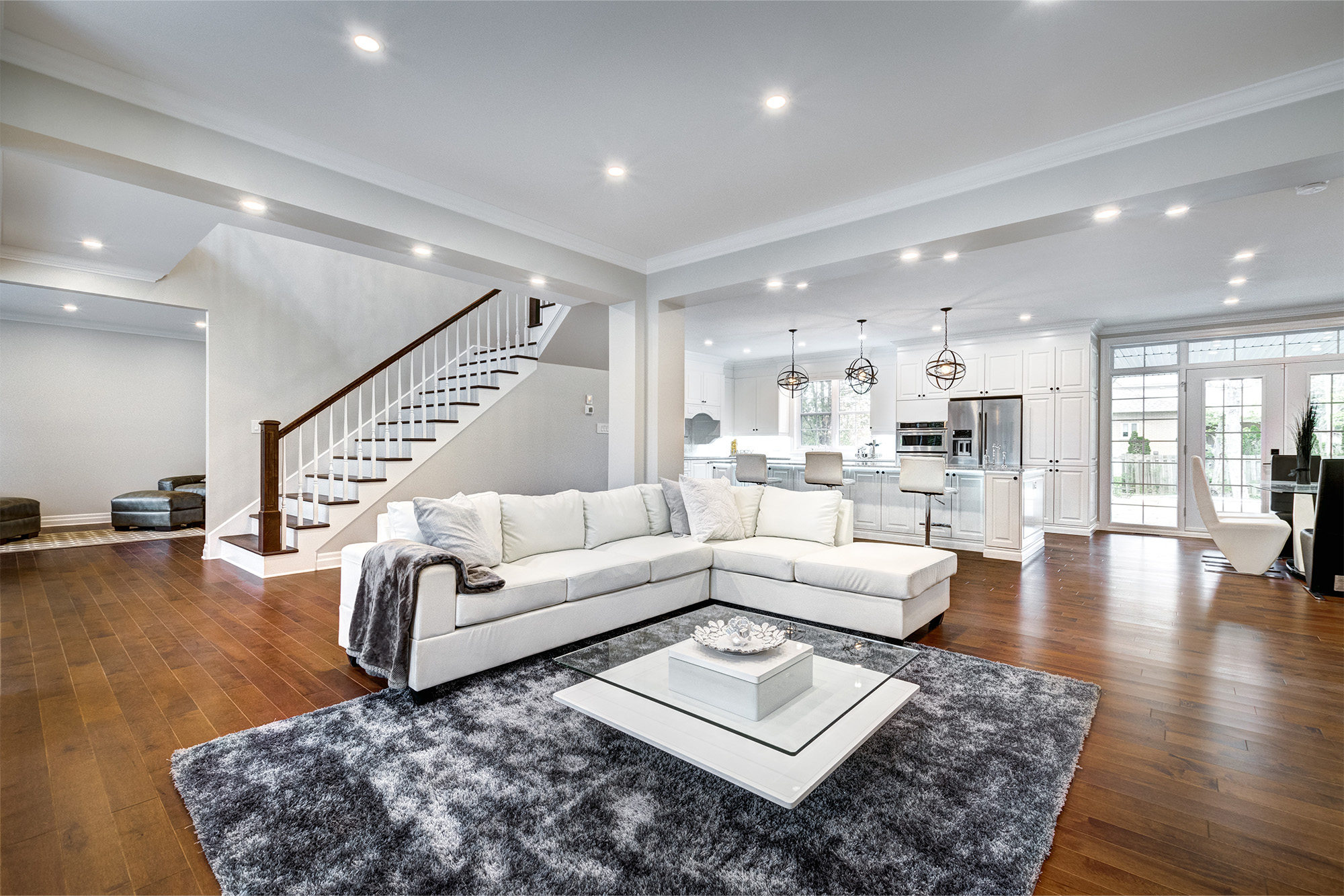
The Unique Chemistry of Exotic Wood and Climate
The very characteristics that give exotic woods their striking color and density also influence how they interact with ambient humidity.
Sensitivity and the Instability Rating
- Origin and Kiln Drying: Most exotic hardwoods originate from tropical or semi-tropical regions with consistently high humidity. When these woods are harvested and prepared for the U.S. market, they undergo kiln-drying to bring their moisture content down to the 6%–9% level suitable for interior installation. However, their natural tendency is to return to their original, higher moisture level, making them inherently more reactive than domestic species when exposed to typical indoor humidity fluctuations.
- The Stability Rating: Flooring professionals use stability ratings to measure how much a species is expected to expand or contract due to changes in relative humidity. Exotics often have a higher coefficient of dimensional change. For instance, Brazilian Cherry is known to be less stable than domestic White Oak. In an environment with variable moisture, a less stable wood is more likely to exhibit gapping (shrinking) during dry periods or cupping/crowning (swelling) during humid periods.
- The Coastal Threat (Oxnard/Ventura): The proximity to the ocean means coastal areas often experience higher relative humidity, sometimes fluctuating rapidly with the seasons. This moisture can cause unstable solid exotic planks to swell, creating pressure against each other that can lead to edge-lifting or subtle warping known as cupping.
- The Inland Threat (Simi Valley/Bakersfield): Conversely, the hot, dry air of inland valleys aggressively pulls moisture out of the wood. Unstable exotics can shrink significantly, resulting in wide, unsightly gaps between the planks an aesthetic failure.
The Engineered Exotic Solution: Superior Dimensional Stability
To combine the appeal of exotic species with the stability required for the demanding California climate, engineered exotic hardwood is the optimal choice.
Cross-Directional Layers Prevent Movement
- The Core Technology: Engineered hardwood is constructed with a thick top veneer of the desirable exotic species (the visual layer) adhered to multiple layers of plywood or HDF backing. Crucially, these backing layers are glued together with the grain running in opposing, cross-directional patterns.
- Counteracting Forces: This multi-ply, cross-directional core counteracts the natural tendency of the exotic veneer to swell or shrink. As the top layer attempts to move due to humidity changes, the opposing layers resist that force, locking the plank in place and providing superior dimensional stability.
- Safer Installation: Engineered exotic planks can be installed using methods that are safer for fluctuating climates, including a floating installation over a variety of subfloors, and they are typically the required choice for installation over concrete slabs or radiant heating systems common in modern California construction.
- Veneer Thickness: High-quality engineered exotics feature a thick veneer (3mm or more), allowing them to be sanded and refinished, giving them a lifespan comparable to solid wood while providing essential structural stability.
Practical Considerations for Exotic Hardwood Ownership
If a homeowner chooses to install exotic hardwood solid or engineered in the Ventura County region, meticulous attention to maintenance and environmental control is necessary.
Installation and Humidity Control
- Professional Installation is Mandatory: Due to the material’s sensitivity, professional installation by a certified team (like the experts at Flooring 101) is non-negotiable. Professionals conduct thorough moisture testing of the subfloor and the wood itself prior to installation, and they ensure adequate acclimation time for the material.
- Maintaining Indoor Climate: To preserve the stability of the wood, the homeowner must commit to maintaining a stable indoor environment. This means keeping the relative humidity (RH) within the manufacturer-recommended range (typically 35%–55%) using dehumidifiers during coastal humidity peaks and humidifiers during dry inland winters.
- Hardness and Durability: Exotics often boast a high Janka rating (hardness), making them incredibly resistant to dents, but their sensitivity to moisture means they require greater environmental care than domestic species.
While the striking beauty of exotic hardwood is undeniable, the smart, durable choice for the diverse humidity levels in Ventura County is the engineered exotic hardwood, which marries superior aesthetics with essential dimensional stability. Flooring 101 has been providing expert flooring services to Ventura and Santa Barbara Counties for over 50 years, and we feature the largest inventory of resilient exotic hardwoods that are specifically designed to stand up to the unique challenges of the California climate.
To explore our selection of engineered exotic hardwoods and consult with our experts on finding the right stability rating for your home. Visit Flooring 101 in our Oxnard, CA, Ventura, CA, Bakersfield, CA, Goleta, CA, Thousand Oaks, CA, Santa Maria, CA, or Simi Valley, CA flooring showrooms or contact us today for a free in-home measurement and estimate.